
When couples begin their fertility journey, they often focus on medical treatments, fertility medications, and IVF procedures. While these factors play a crucial role, research consistently shows that lifestyle choices can significantly influence fertility outcomes and IVF success rates.
Many couples undergoing Fertility / IVF Treatment in Bangalore are surprised to learn that everyday habits such as diet, sleep, exercise, stress management, smoking, and alcohol consumption can directly affect egg quality, sperm health, embryo development, and implantation success.
The good news is that many lifestyle factors are modifiable. By making positive changes before and during fertility treatment, couples may improve their chances of a successful pregnancy.
In this comprehensive guide, we explore the key lifestyle factors that impact fertility and IVF outcomes, helping couples prepare both physically and emotionally for their fertility journey.
In Vitro Fertilization (IVF) involves fertilizing an egg with sperm outside the body and transferring the resulting embryo into the uterus.
Several factors influence IVF success, including:
While age and medical conditions cannot always be changed, lifestyle modifications can positively impact reproductive health and improve treatment outcomes.
Eggs and sperm are highly sensitive to environmental and lifestyle influences.
Poor lifestyle habits may lead to:
Conversely, healthy habits create an optimal environment for conception and pregnancy.
Experts generally recommend adopting fertility-friendly lifestyle changes at least 3–6 months before starting IVF treatment.
A balanced diet is one of the most powerful tools for improving reproductive health.
Foods That Support Fertility
Fruits and Vegetables
Rich in antioxidants that protect eggs and sperm from oxidative damage.
Examples include:
Healthy Fats
Healthy fats support hormone production.
Sources include:
Lean Proteins
Protein helps support healthy reproductive function.
Good options include:
Whole Grains
Whole grains help regulate insulin levels and support hormonal balance.
Examples:
Foods to Limit
Couples preparing for IVF should reduce:
These foods may increase inflammation and negatively affect fertility.
Body weight significantly influences fertility in both men and women.
Effects of Excess Weight
Obesity may cause:
Effects of Being Underweight
Low body weight can also disrupt reproductive hormones and ovulation.
The goal is not extreme dieting but achieving a healthy Body Mass Index (BMI) through sustainable nutrition and physical activity.
Many fertility specialists recommend reaching a healthy weight before starting Fertility / IVF Treatment in Bangalore.
Smoking is one of the most harmful lifestyle factors affecting fertility.
In women, smoking can:
In men, smoking may:
Research suggests smokers often require more IVF cycles compared to non-smokers.
Couples are encouraged to stop smoking several months before fertility treatment begins.
Although moderate alcohol consumption is socially common, it may affect reproductive health.
Potential effects include:
For Women
For Men
Most fertility specialists recommend avoiding alcohol entirely during IVF treatment and pregnancy planning.
Sleep is often overlooked during fertility treatment.
Poor sleep can affect:
Adults undergoing fertility treatment should aim for:
Good sleep supports overall reproductive health and emotional well-being.
Infertility can be emotionally challenging.
While stress alone may not directly cause infertility, chronic stress can negatively affect overall health and treatment experience.
Common stressors include:
Stress Management Strategies
Mindfulness Meditation
Can help reduce anxiety and improve emotional resilience.
Yoga
Fertility-friendly yoga may improve relaxation and circulation.
Counseling
Professional counseling provides emotional support during treatment.
Support Groups
Connecting with others facing similar challenges can reduce feelings of isolation.
Emotional well-being is an important component of successful fertility care.
Regular physical activity supports fertility by improving:
Recommended activities include:
However, excessive intense exercise may negatively affect ovulation and reproductive hormones.
Moderation is key.
Many couples ask whether coffee affects fertility.
Current evidence suggests moderate caffeine intake is generally acceptable.
Experts often recommend limiting caffeine to:
This equals approximately:
Excessive caffeine intake may potentially affect fertility and pregnancy outcomes.
Exposure to environmental toxins may impact reproductive health.
Examples include:
Ways to reduce exposure:
Small changes can reduce long-term toxic exposure.
Approximately half of infertility cases involve male factors.
Men can improve fertility by:
Healthy sperm development typically takes around three months, making lifestyle changes beneficial well before IVF treatment.
Fertility is a shared journey.
The most effective preparation for IVF involves both partners making healthy lifestyle changes together.
Couples can focus on:
These changes may not only improve IVF success but also support a healthier pregnancy.
Bangalore has become one of India's leading destinations for fertility care due to:
Couples seeking Fertility / IVF Treatment in Bangalore have access to personalized treatment plans designed to maximize success rates while addressing individual fertility concerns.
Can lifestyle changes really improve IVF success rates?
Yes. Healthy lifestyle habits may improve egg quality, sperm health, hormone balance, and overall reproductive outcomes.
How long before IVF should I make lifestyle changes?
Ideally, couples should begin lifestyle modifications at least 3–6 months before starting IVF treatment.
Does stress reduce IVF success?
Stress may not directly cause infertility, but managing stress can improve emotional well-being and treatment experience.
Is exercise good during IVF treatment?
Moderate exercise is generally beneficial. However, strenuous workouts should be discussed with your fertility specialist.
Does male health affect IVF outcomes?
Absolutely. Sperm quality plays a major role in embryo development and overall IVF success.
Should I stop drinking coffee before IVF?
Moderate caffeine intake is usually acceptable, but excessive consumption should be avoided.
Does smoking affect fertility treatment?
Yes. Smoking can significantly reduce fertility and negatively impact IVF outcomes in both men and women.
What is the best diet for fertility?
A diet rich in fruits, vegetables, lean proteins, whole grains, and healthy fats is generally recommended for reproductive health.
Successful fertility treatment extends beyond medical procedures. Lifestyle factors such as nutrition, weight management, exercise, sleep, stress reduction, and avoiding harmful habits can significantly influence reproductive health and IVF outcomes.
Couples planning Fertility / IVF Treatment in Bangalore should view lifestyle optimization as an essential part of their fertility journey. By making positive changes before treatment begins, they can create the best possible foundation for conception, pregnancy, and long-term family health.
Whether you are considering your first IVF cycle or preparing for another fertility treatment, adopting healthy lifestyle habits today can help improve your chances of success tomorrow.
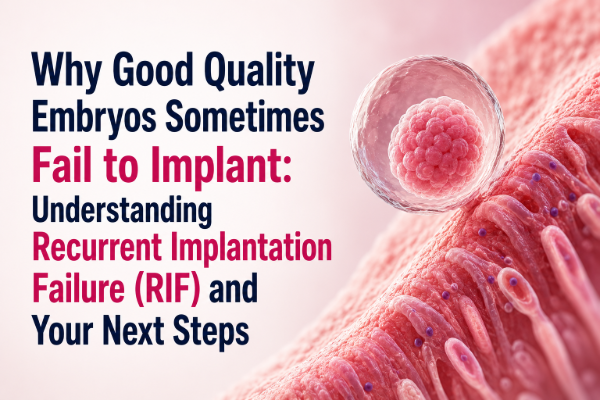
For couples undergoing IVF, one of the most emotionally challenging experiences is receiving the news that a good-quality embryo did not implant. .........

Most people believe that fertility depends entirely on the number of candles on their birthday cake. While chronological age.........

When couples begin their fertility journey, they often focus on medical treatments, fertility medications, and IVF procedures.........

Many women today choose to start a family later in life due to career goals, financial stability, personal priorities, or delayed marriage.........

Starting a family is one of life’s most beautiful dreams, but for many couples in Bangalore, that dream often comes with a side of financial anxiety........

Bringing about a family must be about joy and expectation and not finances. But to most couples with infertility the price of IVF procedure itself may be an out of control train........
When confronted with infertility issues, the different IVF choices you might need to consider can be quite confusing and daunting........
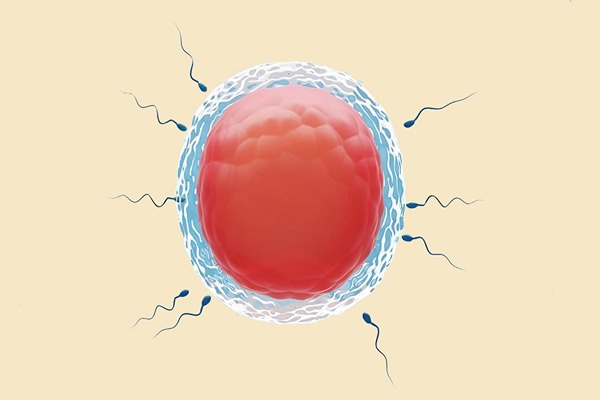
Many couples find it difficult to achieve their dream of becoming parents. Infertility affects about one out of six couples worldwide........
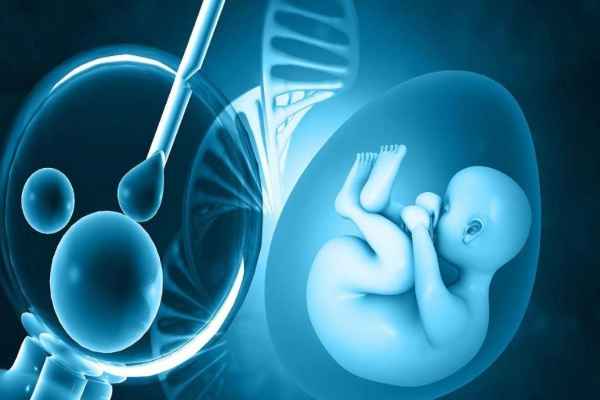
For couples who have been struggling to conceive naturally, In Vitro Fertilization (IVF) brings new hope........

For couples struggling with infertility, every new season brings renewed hope. As we step into September, many families in India are considering the right time to start their fertility journey......
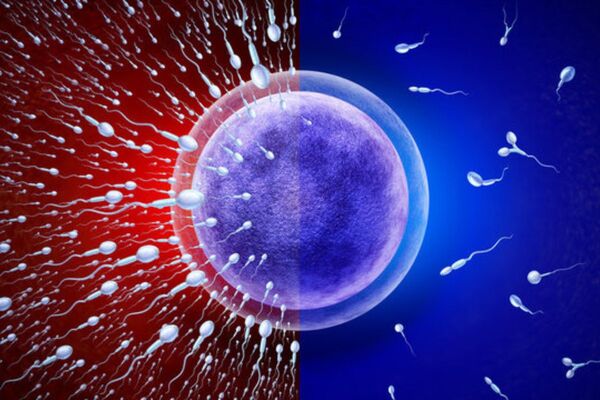
When discussing infertility, much of the focus tends to be on women. But did you know that male factors contribute to nearly 40–50% of infertility cases.....

Monsoon season is a time of renewal, reflection, and quiet strength—much like the journey of fertility treatment. For many couples, July is a practical and emotional window to begin IVF.....

June marks the halfway point of the year—a time to reset goals, prioritize health, and take control of your fertility journey. At Low Cost IVF Treatment, we often see an increase.....

April is a month of renewal. But for many hopeful parents, a failed IVF cycle can feel like a deep winter of disappointment......

March symbolizes renewal, growth, and new beginnings—and what better time to talk about a fertility option that offers women just that......
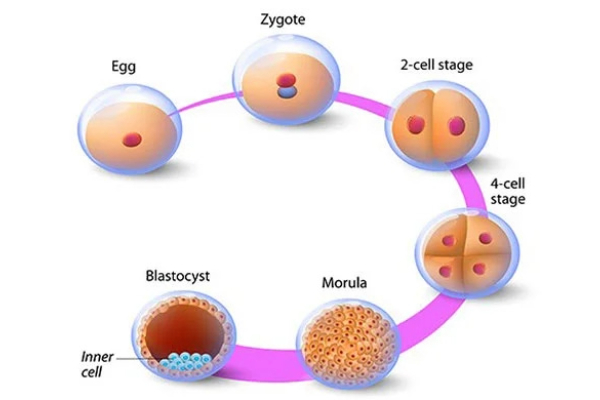
For couples struggling with infertility, IVF is often the best hope for achieving pregnancy. However, the high costs and intensive use of fertility medications can be overwhelming......

February, known as the month of love, is not just about roses and chocolates. For couples navigating the world of infertility, it's a time of reflection, hope, and resilience.....

In vitro fertilization (IVF) has helped millions of couples worldwide achieve their dream of parenthood. However, the high costs associated with fertility treatments often discourage many hopeful parents from pursuing this option.....
As we step into 2025, many couples are looking at the year with renewed hope — especially those dreaming of starting or expanding their families......
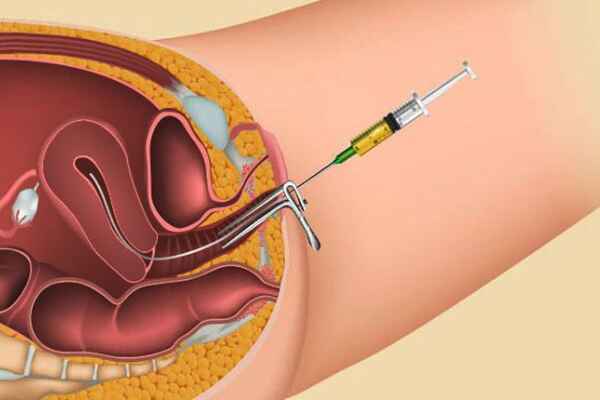
Intrauterine Insemination (IUI) is a popular fertility treatment option used to increase the chances of conception for couples struggling with infertility.....
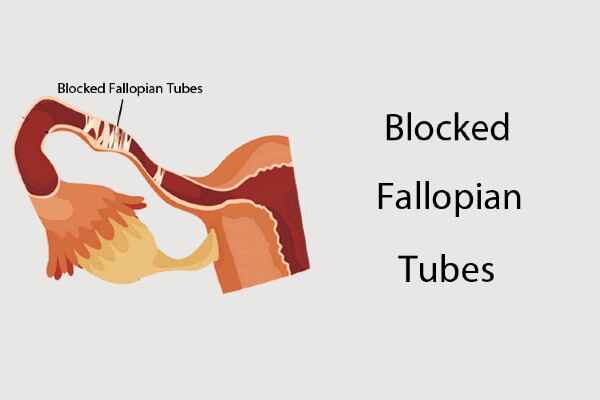
Blocked or damaged fallopian tubes can significantly impact a woman's fertility, making it challenging to conceive naturally.....

Getting pregnant isn't always easy. How long should you try to get pregnant before talking to your healthcare provider? When is it time to see a fertility specialist?.....

Hypothyroidism is a common gynecological Problem in which the thyroid gland fails to produce sufficient thyroid hormone. The condition is known to manifest differently for all women.....

IVF is one of the most common assisted reproductive technology (ART) methods. It's the process in which a female egg is harvested and then fertilized by sperm in a laboratory. Consequently.....
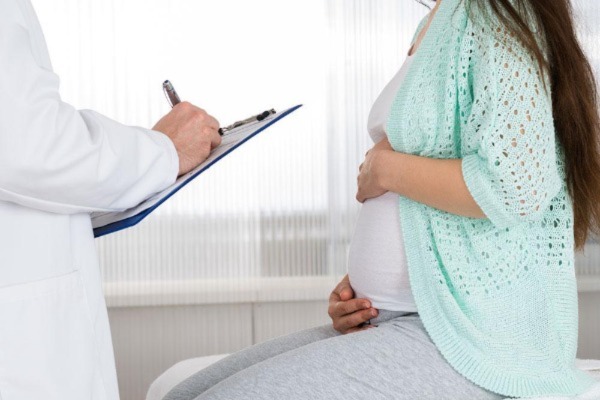
Deciding to start a family can be an exciting moment. Still, when conception doesn’t happen as soon as you were hoping, it can be frustrating because Infertility affects many of them.....

If you or someone you know is trying to get pregnant, you may have heard pieces of advice like, "Just relax, and it will happen!" But the truth is a bit more complex.....

Age is a crucial factor affecting male and female fertility. The modern world offers us many opportunities, including education, occupation, and social and love life......

Get the Most Affordable IVF Treatment Cost in Pune, Maharashtra with highest success rate. Low cost IVF packages starting from INR 69,000/-* only. Book an appointment / Free Consultation today.....

“IVF Cost in Mumbai” is the most searched term when someone wants to go through with IVF Treatment. Mumbai is the city that not only Serves....

Getting pregnant happens when a man sperm fertilize a woman egg. Some of the women this happens quickly, but for others, it can take longer....
As a woman, healthy eggs are fundamental to regular menstrual cycles, fertility, and the ability to get pregnant. Here, several factors that influence the quality of egg & health....
PCOS can affect Women’s fertility in different ways. It is one of the most common reasons for woman has trouble to get pregnant in this condition....

If you are planning to get an infertility treatment, then choosing the right Fertility Centre in India is the most important factor for you....

If you have not taken the first step towards making your dreams of family by seeing fertility doctors, help to how you are going to pay for the testing and treatment you need?....
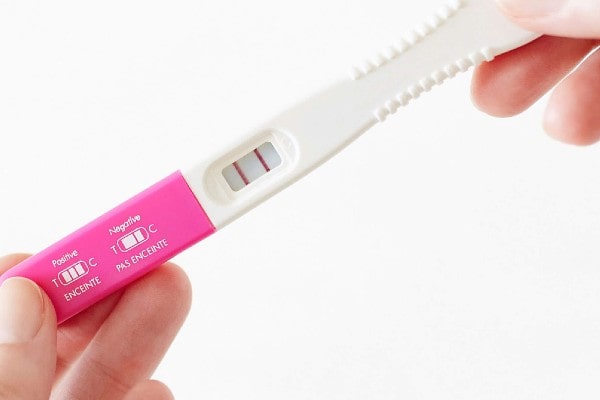
A woman is most likely to get pregnant in the middle of their menstrual cycle. This is called the fertile window. The chances of becoming pregnant are very low before and after the fertile....

Diabetes is a fast-growing modern lifestyle disease with several people are being diagnosed. It is a....

IVF is a very complicated process involving lots of moving parts, which are highly dependent on timing and accuracy....

Infertility is a common problem that affects both the male & female partners equally. Many of the couples struggle with infertility and seek help....

We are providing the Best IUI Treatment in Hyderabad & offers the affordable IUI Treatment Cost in Hyderabad with a high success rate....
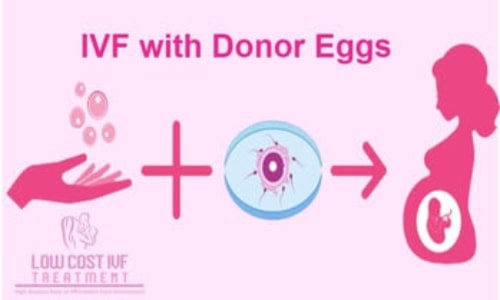
If a couple cannot be helped through procedures such as In Vitro Fertilization, they may want to consider using donor eggs. Donor eggs....

Intracytoplasmic Sperm Injection (ICSI) is another type of assisted reproduction technique. The procedure can be used to complete IVF treatment....

The Cost of IUI in Bangalore India is very low as an IUI cycle can cost as little as 7,000 rupees. However, even if you require just one IUI cycle....

"IVF Cost in India or IVF Treatment Cost in Bangalore" these are most searched terms when some one wants to go through with the IVF....
We are Offering the Affordable IVF Treatment in Bangalore at Rs. 79000/- only. Get Free IVF Consultation....
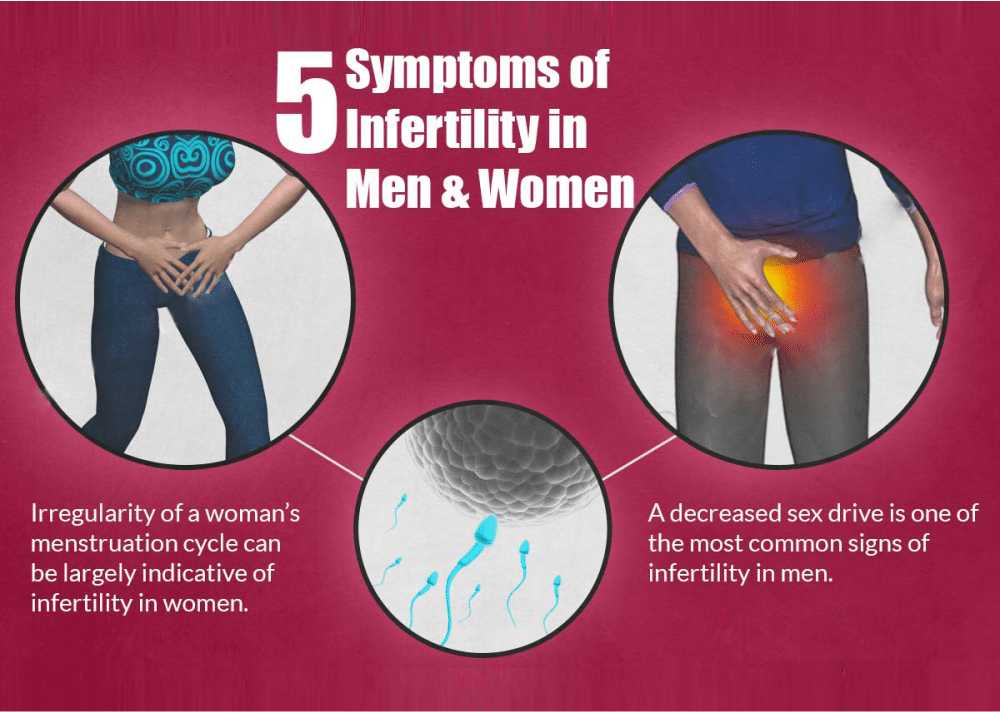
Infertility Treatment in Bangalore 5 Signs of Infertility in Men and Women I was 25 years old when I was first diagnosed....

Low Cost IVF Treatment | Low Cost IVF Centers in Bangalore & Hyderabad Get the Low Cost IVF Treatment in Bangalore....

COST OF IVF TREATMENT IN BANGALORE (Low Cost) IVF Cost in Bangalore....

“Low Cost IVF Treatment” is one of the Best Infertility Treatment Consultant in India. We have a team of the Best IVF Doctors....
When is IVF the best option for you?
24/02/2023
Stress & Infertility
03/01/2023
IVF Cost in Pune
16/09/2020
IVF Treatment Cost in Mumbai 2025
17/08/2020
5 Ways to Improve Your Egg Quality
14/03/2020
How does PCOS affect Women’s Fertility?
05/02/2020
4 Ways to pay for fertility treatment
25/02/2020
Can you get pregnant on your periods
21/02/2020
5 Causes of Infertility in Men & Women
07/02/2020
IUI Treatment Cost in Hyderabad
06/02/2020
Egg Donor IVF Cost in Bangalore India
03/09/2019
ICSI Treatment Cost in Bangalore India
20/08/2019
IUI Cost in Bangalore India
22/07/2019
IVF Treatment Cost in Hyderabad
20/06/2019
Fair IVF Cost in India
15/05/2019
IVF Treatment in Bangalore India
18/04/2019
Low Cost IVF treatment in Bangalore
09/11/2018
Signs of Infertility in Men and Women
09/12/2018
“Low Cost IVF Treatment in India” is the Fastest Growing Low Cost IVF Centres Chain, With a Team of Experienced Healthcare Experts, Researchers, Social Scientists, Psychologists and Reproductive Health-care Technicians and with a collective experience of more than a decade into Providing Low Cost & affordable Fertility / IVF Treatment in India for Indian and International Patients.
Book An Appointment

 Offers
Ask a Question
Q and A Discussions
we need to go IUI tratment, how much cost is this?, i am middle class family
Enter Your Answer
Enter Details.