
Many women today choose to start a family later in life due to career goals, financial stability, personal priorities, or delayed marriage. While pregnancy after 35 is increasingly common, fertility naturally declines with age, making conception more challenging for some women. This is where IVF (In Vitro Fertilization) offers hope and advanced reproductive support.
Understanding how fertility changes after 35 can help women make informed decisions about family planning. Whether you are trying naturally, considering fertility preservation, or exploring IVF treatment, early awareness is important for improving success rates.
In this detailed guide, we explain everything women should know about IVF after 35, including fertility decline, success rates, risks, fertility testing, lifestyle improvements, and treatment options.
A woman is born with a fixed number of eggs. As age increases, both the quantity and quality of eggs decline naturally. After 35, this decline becomes more noticeable.
Key Reasons Fertility Reduces After 35
Although many women conceive naturally after 35, fertility treatment may become necessary if pregnancy does not occur within 6 months of trying.
Women above 35 should not delay fertility testing if they notice:
Early diagnosis helps identify fertility issues before ovarian reserve declines further.
IVF (In Vitro Fertilization) is an advanced fertility treatment where eggs are retrieved from the ovaries, fertilized with sperm in a laboratory, and then transferred into the uterus.
Basic IVF Process
IVF is commonly recommended for:
Age is one of the most important factors affecting IVF success.
Average IVF Success Rates by Age
| Age Group | Approximate IVF Success Rate |
|---|---|
| Under 35 | 50–60% |
| 35–37 | 40–45% |
| 38–40 | 25–35% |
| 41–42 | 10–20% |
| Above 42 | Lower with own eggs |
Success rates vary depending on:
Women above 35 often achieve successful pregnancies with personalized IVF treatment plans and timely medical intervention.
Before starting IVF, fertility specialists usually recommend a complete fertility assessment.
1. AMH Test (Anti-Müllerian Hormone)
Measures ovarian reserve and remaining egg count.
2. Antral Follicle Count (AFC)
Ultrasound scan used to evaluate follicles in ovaries.
3. FSH and LH Hormone Tests
Checks hormonal balance and ovarian function.
4. Thyroid Profile
Thyroid disorders can affect fertility and pregnancy.
5. Ultrasound Scan
Helps identify fibroids, cysts, or uterine abnormalities.
6. Semen Analysis
Evaluates sperm count, motility, and morphology.
These tests help fertility experts create the most effective IVF strategy.
Yes, many women conceive naturally after 35. However, the chances decrease gradually each year.
Tips to Improve Natural Fertility
If pregnancy does not occur within 6 months, consulting a fertility specialist is recommended.
Women above 35 may face certain fertility-related challenges during IVF treatment.
1. Reduced Egg Quality
Older eggs may have chromosomal abnormalities affecting embryo development.
2. Lower Implantation Rates
Embryos may not implant successfully in the uterus.
3. Increased Miscarriage Risk
Miscarriage rates rise with maternal age due to genetic abnormalities.
4. Poor Ovarian Response
Some women may produce fewer eggs during stimulation.
5. Higher Risk Pregnancy
Pregnancy complications become slightly more common after 35.
Despite these challenges, modern fertility treatments significantly improve the chances of healthy pregnancies.
ICSI (Intracytoplasmic Sperm Injection)
A single healthy sperm is injected directly into the egg to improve fertilization.
Blastocyst Transfer
Embryos are cultured for 5 days before transfer for better implantation success.
PGT Testing (Preimplantation Genetic Testing)
Embryos are screened for chromosomal abnormalities before transfer.
Egg Freezing
Women planning delayed pregnancy may preserve younger eggs for future IVF.
Donor Egg IVF
Recommended in cases of very low ovarian reserve or poor egg quality.
Lifestyle changes can positively influence fertility and IVF outcomes.
Eat a Fertility-Friendly Diet
Include:
Avoid:
Maintain Healthy Weight
Both obesity and being underweight can affect hormone balance and ovulation.
Manage Stress
Stress management techniques:
Stay Physically Active
Moderate exercise improves blood circulation and hormonal health.
Limit Caffeine Intake
Excess caffeine may negatively impact fertility in some women.
Although many women have healthy pregnancies after 35, doctors monitor certain risks more carefully.
Possible Pregnancy Risks
Regular prenatal care and timely monitoring help reduce complications significantly.
IVF can be emotionally challenging, especially for women facing age-related fertility concerns.
Emotional Support Tips
Mental well-being plays an important role during fertility treatment.
Women above 35 should consult a fertility expert if:
Early consultation improves the chances of successful conception and reduces treatment delays.
Selecting an experienced fertility clinic is crucial for treatment success.
Look for:
A trusted fertility centre provides emotional guidance along with medical expertise.
Fertility after 35 may become more challenging, but motherhood is still very much possible with timely care and advanced fertility treatment. IVF has helped millions of women worldwide achieve successful pregnancies even in their late 30s and early 40s.
The key is early fertility evaluation, healthy lifestyle choices, proper medical guidance, and personalized treatment planning. Women should not ignore fertility symptoms or delay seeking expert advice.
If you are planning pregnancy after 35 or facing difficulty conceiving, consulting an experienced fertility specialist can help you understand the best treatment options for your reproductive goals.
Is IVF successful after 35?
Yes. Many women above 35 achieve successful pregnancies through IVF, especially with early treatment and healthy embryos.
How many IVF cycles are usually needed after 35?
Some women conceive in the first cycle, while others may require multiple cycles depending on fertility factors and egg quality.
Can I get pregnant naturally after 35?
Yes, natural pregnancy is possible after 35, although fertility gradually declines with age.
Is pregnancy after 35 considered high risk?
Pregnancy after 35 may carry slightly higher risks, but regular prenatal care helps ensure healthy outcomes.
Which fertility test is most important after 35?
AMH testing and ultrasound ovarian reserve assessment are commonly recommended to evaluate fertility potential.
Does stress affect IVF success?
High stress levels may impact hormonal balance and emotional well-being during treatment. Stress management can support overall fertility health.
Can lifestyle changes improve fertility after 35?
Yes. Healthy diet, exercise, weight management, and avoiding smoking and alcohol may improve fertility outcomes.
When should women above 35 see a fertility doctor?
Women should seek fertility evaluation if pregnancy does not occur after 6 months of regular unprotected intercourse.
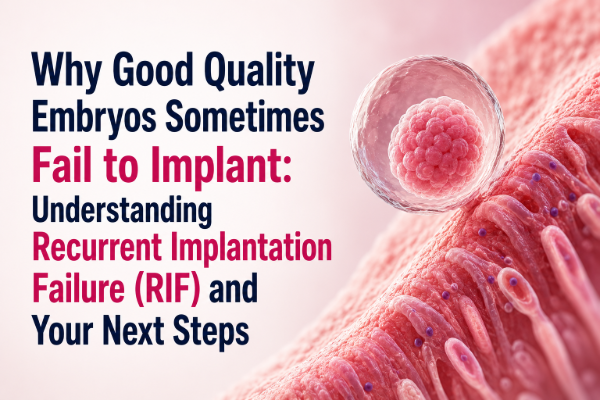
For couples undergoing IVF, one of the most emotionally challenging experiences is receiving the news that a good-quality embryo did not implant. .........

Most people believe that fertility depends entirely on the number of candles on their birthday cake. While chronological age.........

When couples begin their fertility journey, they often focus on medical treatments, fertility medications, and IVF procedures.........

Many women today choose to start a family later in life due to career goals, financial stability, personal priorities, or delayed marriage.........

Starting a family is one of life’s most beautiful dreams, but for many couples in Bangalore, that dream often comes with a side of financial anxiety........

Bringing about a family must be about joy and expectation and not finances. But to most couples with infertility the price of IVF procedure itself may be an out of control train........
When confronted with infertility issues, the different IVF choices you might need to consider can be quite confusing and daunting........
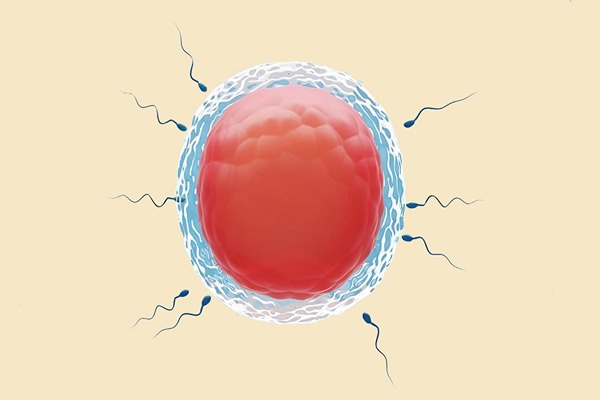
Many couples find it difficult to achieve their dream of becoming parents. Infertility affects about one out of six couples worldwide........
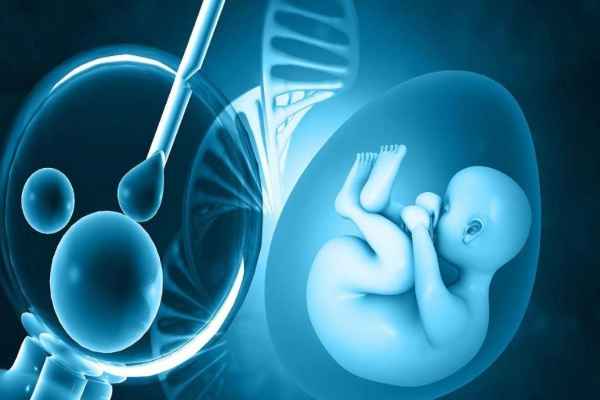
For couples who have been struggling to conceive naturally, In Vitro Fertilization (IVF) brings new hope........

For couples struggling with infertility, every new season brings renewed hope. As we step into September, many families in India are considering the right time to start their fertility journey......
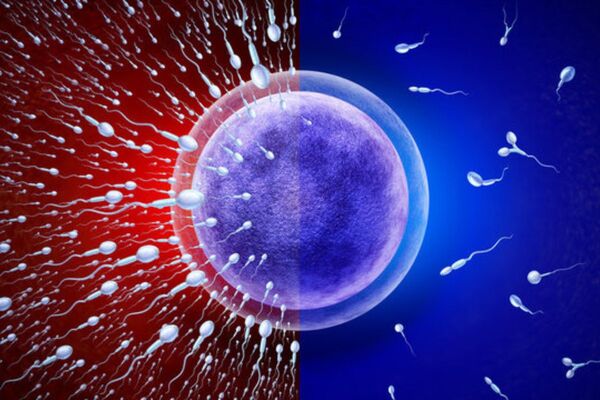
When discussing infertility, much of the focus tends to be on women. But did you know that male factors contribute to nearly 40–50% of infertility cases.....

Monsoon season is a time of renewal, reflection, and quiet strength—much like the journey of fertility treatment. For many couples, July is a practical and emotional window to begin IVF.....

June marks the halfway point of the year—a time to reset goals, prioritize health, and take control of your fertility journey. At Low Cost IVF Treatment, we often see an increase.....

April is a month of renewal. But for many hopeful parents, a failed IVF cycle can feel like a deep winter of disappointment......

March symbolizes renewal, growth, and new beginnings—and what better time to talk about a fertility option that offers women just that......
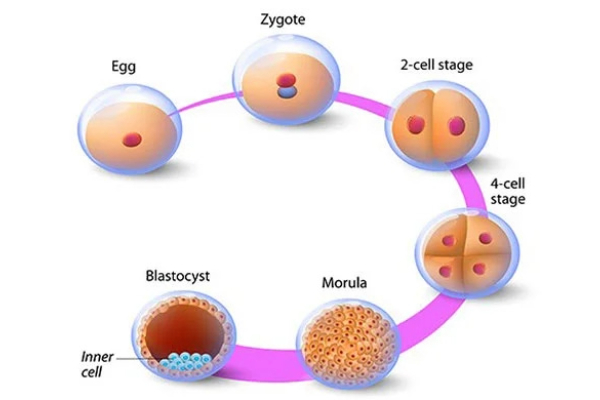
For couples struggling with infertility, IVF is often the best hope for achieving pregnancy. However, the high costs and intensive use of fertility medications can be overwhelming......

February, known as the month of love, is not just about roses and chocolates. For couples navigating the world of infertility, it's a time of reflection, hope, and resilience.....

In vitro fertilization (IVF) has helped millions of couples worldwide achieve their dream of parenthood. However, the high costs associated with fertility treatments often discourage many hopeful parents from pursuing this option.....
As we step into 2025, many couples are looking at the year with renewed hope — especially those dreaming of starting or expanding their families......
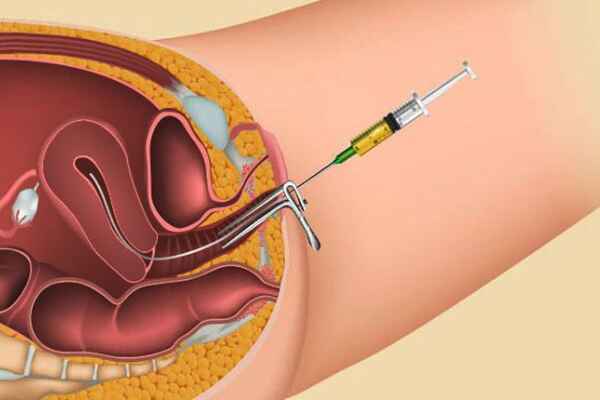
Intrauterine Insemination (IUI) is a popular fertility treatment option used to increase the chances of conception for couples struggling with infertility.....
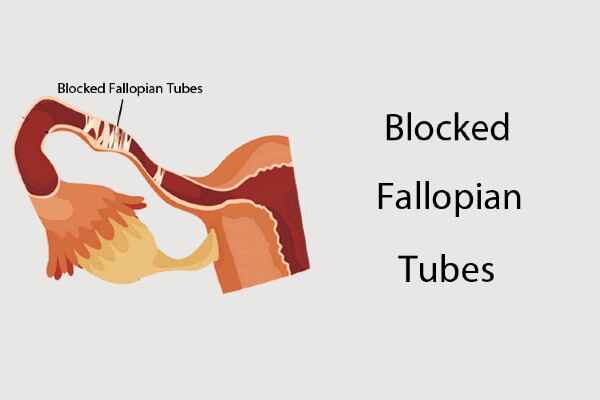
Blocked or damaged fallopian tubes can significantly impact a woman's fertility, making it challenging to conceive naturally.....

Getting pregnant isn't always easy. How long should you try to get pregnant before talking to your healthcare provider? When is it time to see a fertility specialist?.....

Hypothyroidism is a common gynecological Problem in which the thyroid gland fails to produce sufficient thyroid hormone. The condition is known to manifest differently for all women.....

IVF is one of the most common assisted reproductive technology (ART) methods. It's the process in which a female egg is harvested and then fertilized by sperm in a laboratory. Consequently.....
Deciding to start a family can be an exciting moment. Still, when conception doesn’t happen as soon as you were hoping, it can be frustrating because Infertility affects many of them.....

If you or someone you know is trying to get pregnant, you may have heard pieces of advice like, "Just relax, and it will happen!" But the truth is a bit more complex.....

Age is a crucial factor affecting male and female fertility. The modern world offers us many opportunities, including education, occupation, and social and love life......

Get the Most Affordable IVF Treatment Cost in Pune, Maharashtra with highest success rate. Low cost IVF packages starting from INR 69,000/-* only. Book an appointment / Free Consultation today.....

“IVF Cost in Mumbai” is the most searched term when someone wants to go through with IVF Treatment. Mumbai is the city that not only Serves....

Getting pregnant happens when a man sperm fertilize a woman egg. Some of the women this happens quickly, but for others, it can take longer....
As a woman, healthy eggs are fundamental to regular menstrual cycles, fertility, and the ability to get pregnant. Here, several factors that influence the quality of egg & health....
PCOS can affect Women’s fertility in different ways. It is one of the most common reasons for woman has trouble to get pregnant in this condition....

If you are planning to get an infertility treatment, then choosing the right Fertility Centre in India is the most important factor for you....

If you have not taken the first step towards making your dreams of family by seeing fertility doctors, help to how you are going to pay for the testing and treatment you need?....
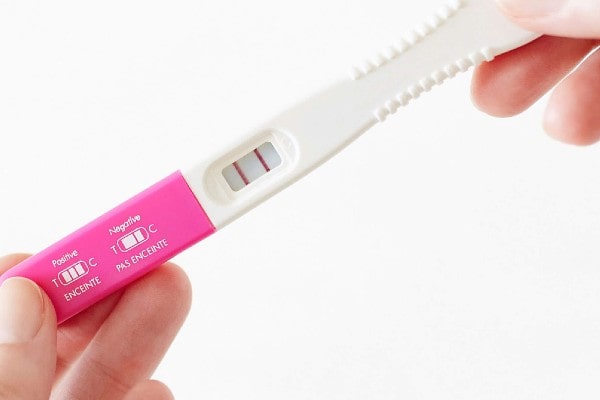
A woman is most likely to get pregnant in the middle of their menstrual cycle. This is called the fertile window. The chances of becoming pregnant are very low before and after the fertile....

Diabetes is a fast-growing modern lifestyle disease with several people are being diagnosed. It is a....

IVF is a very complicated process involving lots of moving parts, which are highly dependent on timing and accuracy....

Infertility is a common problem that affects both the male & female partners equally. Many of the couples struggle with infertility and seek help....

We are providing the Best IUI Treatment in Hyderabad & offers the affordable IUI Treatment Cost in Hyderabad with a high success rate....
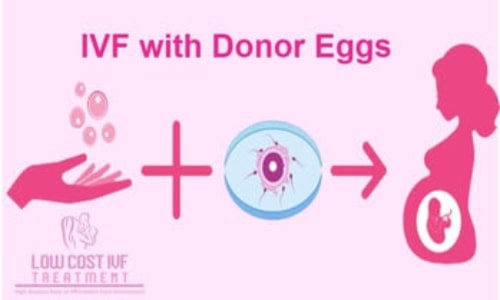
If a couple cannot be helped through procedures such as In Vitro Fertilization, they may want to consider using donor eggs. Donor eggs....

Intracytoplasmic Sperm Injection (ICSI) is another type of assisted reproduction technique. The procedure can be used to complete IVF treatment....

The Cost of IUI in Bangalore India is very low as an IUI cycle can cost as little as 7,000 rupees. However, even if you require just one IUI cycle....

"IVF Cost in India or IVF Treatment Cost in Bangalore" these are most searched terms when some one wants to go through with the IVF....
We are Offering the Affordable IVF Treatment in Bangalore at Rs. 79000/- only. Get Free IVF Consultation....
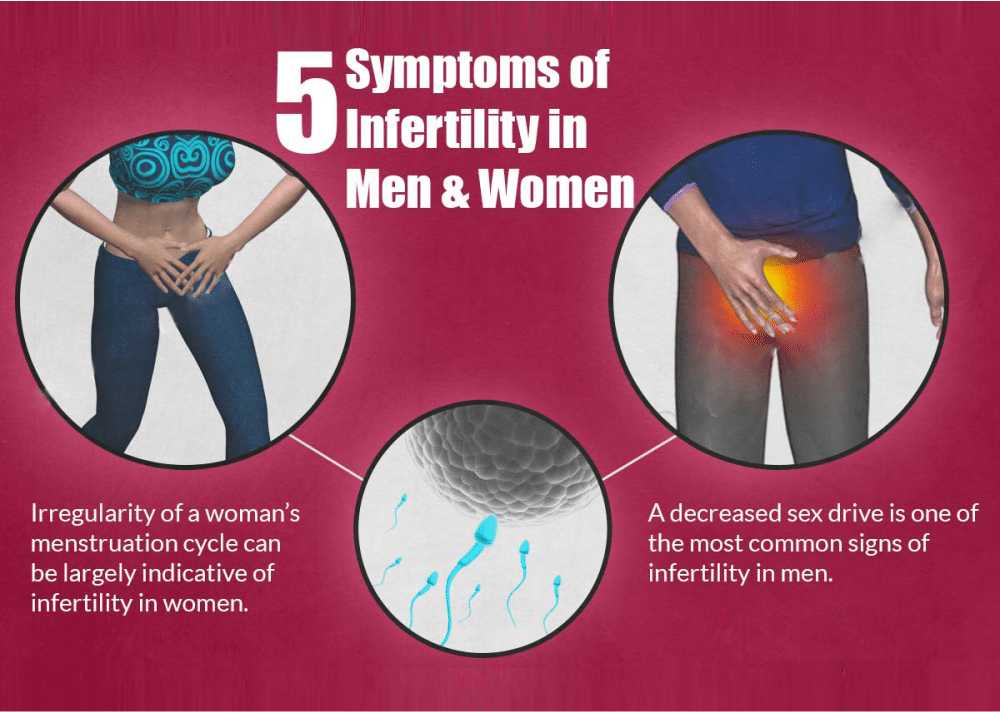
Infertility Treatment in Bangalore 5 Signs of Infertility in Men and Women I was 25 years old when I was first diagnosed....
Low Cost IVF Treatment | Low Cost IVF Centers in Bangalore & Hyderabad Get the Low Cost IVF Treatment in Bangalore....

COST OF IVF TREATMENT IN BANGALORE (Low Cost) IVF Cost in Bangalore....

“Low Cost IVF Treatment” is one of the Best Infertility Treatment Consultant in India. We have a team of the Best IVF Doctors....
When is IVF the best option for you?
24/02/2023
Stress & Infertility
03/01/2023
IVF Cost in Pune
16/09/2020
IVF Treatment Cost in Mumbai 2025
17/08/2020
5 Ways to Improve Your Egg Quality
14/03/2020
How does PCOS affect Women’s Fertility?
05/02/2020
4 Ways to pay for fertility treatment
25/02/2020
Can you get pregnant on your periods
21/02/2020
5 Causes of Infertility in Men & Women
07/02/2020
IUI Treatment Cost in Hyderabad
06/02/2020
Egg Donor IVF Cost in Bangalore India
03/09/2019
ICSI Treatment Cost in Bangalore India
20/08/2019
IUI Cost in Bangalore India
22/07/2019
IVF Treatment Cost in Hyderabad
20/06/2019
Fair IVF Cost in India
15/05/2019
IVF Treatment in Bangalore India
18/04/2019
Low Cost IVF treatment in Bangalore
09/11/2018
Signs of Infertility in Men and Women
09/12/2018
“Low Cost IVF Treatment in India” is the Fastest Growing Low Cost IVF Centres Chain, With a Team of Experienced Healthcare Experts, Researchers, Social Scientists, Psychologists and Reproductive Health-care Technicians and with a collective experience of more than a decade into Providing Low Cost & affordable Fertility / IVF Treatment in India for Indian and International Patients.
Book An Appointment

 Offers
Ask a Question
Q and A Discussions
we need to go IUI tratment, how much cost is this?, i am middle class family
Enter Your Answer
Enter Details.